August 7, 2026
The heating and cooling industry is undergoing a remarkable shift toward digital transformation. Advanced software and intelligent algorithms redefine how indoor environments achieve continuous thermal comfort and efficiency.
Modern property managers demand greater efficiency from climate systems. Traditional setups often operated blindly, resulting in wasted energy and unexpected failures. Today, digital connectivity changes that dynamic entirely.
Forward-thinking HVAC companies recognize that integration of software provides clearer visibility. By adopting cloud platforms, service teams identify performance drift before major malfunctions occur.
Beyond basic adjustments, modern equipment captures vital operational data. This detailed information flow transforms routine climate management into a strategic asset. The overall environment becomes remarkably cost-effective.
Understanding how these innovations intersect provides valuable guidance for property owners. Embracing modern climate tools ensures optimal comfort while maintaining strict control over long-term operating costs.
Optimizing Climate Control Through Connected Sensors
Connected sensors form the foundation of intelligent indoor climate management. Distributed throughout a property, these tiny devices collect real-time data regarding ambient temperature, humidity levels, and airflow movement.
Constant data collection allows systems to respond instantly to environmental fluctuations. Rather than relying on static schedules, heating and cooling units adjust dynamically based on actual occupancy levels.
Modern HVAC companies utilize these network feeds to assess environmental conditions precisely. Service technicians receive actionable updates that highlight minor imbalances before comfort declines across specific zones.
Precision airflow control prevents unnecessary energy consumption in vacant spaces. Dampers adjust automatically, directing conditioned air strictly where occupants require it most throughout the operating day.
Sensor technology also simplifies zone customization across large facilities. Individual rooms maintain distinct climate profiles without causing overall system strain or incurring excessive operational costs.
Integrating smart sensor networks elevates overall facility control. Property managers gain comprehensive oversight, ensuring every square foot receives appropriate conditioning without consuming excess power.
Continuous monitoring eliminates guesswork from daily facility management. Systems automatically rebalance airflow as room occupancy changes, maintaining perfect indoor equilibrium without manual supervisor intervention.
Enhancing Energy Efficiency With Smart Analytics
Raw sensor data becomes truly powerful when processed through advanced analytical engines. Cloud platforms convert complex telemetry into clear performance metrics, revealing hidden opportunities for system optimization.
Analytical dashboards display comprehensive energy consumption patterns over time. Facility directors pinpoint exact periods of peak demand and adjust operational schedules accordingly to minimize utility expenses.
Top HVAC companies leverage these insights to help property owners reduce expenditures. By analyzing historical performance, service providers recommend tailored system upgrades that maximize long-term savings.
Strategic implementation of smart analytics yields immediate advantages for modern buildings:
- Detailed energy usage visualization across custom timeframes
- Automatic detection of power consumption spikes
- Streamlined reporting for environmental compliance standards
Algorithmic adjustments continuously fine-tune equipment operations based on utility rates. Systems store thermal energy during off-peak hours, releasing it when electricity costs reach peak levels.
Data-driven management transforms routine facility operations into highly sustainable practices. Continuous performance evaluation ensures equipment operates near peak efficiency, extending machinery lifespan.
Analytical tools also help identify subtle thermodynamic losses throughout building structures. Identifying structural insulation gaps allows targeted repairs before energy losses accumulate into substantial costs.
Automating Maintenance Routines Using Predictive Algorithms
Traditional maintenance strategies relied heavily on fixed calendar schedules or emergency repairs. Predictive algorithms replace those outdated methods with continuous monitoring and automated diagnostic alerts.
Machine learning models analyze vibrational patterns, fluid pressure variations, and electrical currents to detect subtle mechanical wear. Potential issues are flagged long before complete failure occurs.
According to Revenue Memo, artificial intelligence powers climate controls in more than 50% of commercial facilities, while home smart thermostat usage has expanded by 45%.
Leading HVAC companies employ these algorithmic diagnostics to resolve minor issues early. Technicians arrive fully prepared with exact replacement parts, reducing site visit duration significantly.
Automated alerts protect critical system components from catastrophic damage. When anomalous pressure readings appear, the system automatically adjusts operational parameters to prevent severe strain.
Automated diagnostic systems log equipment performance continuously over time. Having complete historical data empowers service teams to make informed maintenance choices that optimize component lifespan.
Improving Indoor Air Quality Via Advanced Diagnostics
Indoor air quality has become a top priority for modern spaces. Digital diagnostics constantly measure particulate matter, volatile organic compounds, carbon dioxide levels, and humidity with high accuracy.
When air quality metrics fall below healthy thresholds, automated systems increase fresh air intake and activate specialized filtration mechanisms to purge contaminants promptly.
Specialized HVAC companies implement these tools to safeguard interior environments. By combining real-time air monitoring with targeted purification technologies, facilities maintain healthy indoor air.
Advanced air quality solutions offer key health benefits for modern indoor environments:
- Continuous filtration adjustment based on airborne particle concentrations
- Automated humidity balancing to inhibit mold growth
- Rapid removal of indoor chemical contaminants
Integrated ultraviolet purification systems engage automatically during high airflow demands. Neutralizing airborne pathogens ensures circulating air remains consistently clean and safe for all occupants.
Comprehensive environmental monitoring promotes healthier indoor atmospheres, boosting occupant productivity and well-being. Clean air systems operate quietly behind the scenes, maintaining optimal purity.
Sophisticated filtration units actively capture microscopic allergens before they circulate. Maintaining optimal humidity levels further prevents pathogen survival, protecting occupants from seasonal respiratory issues.
Streamlining System Operations Through Remote Monitoring
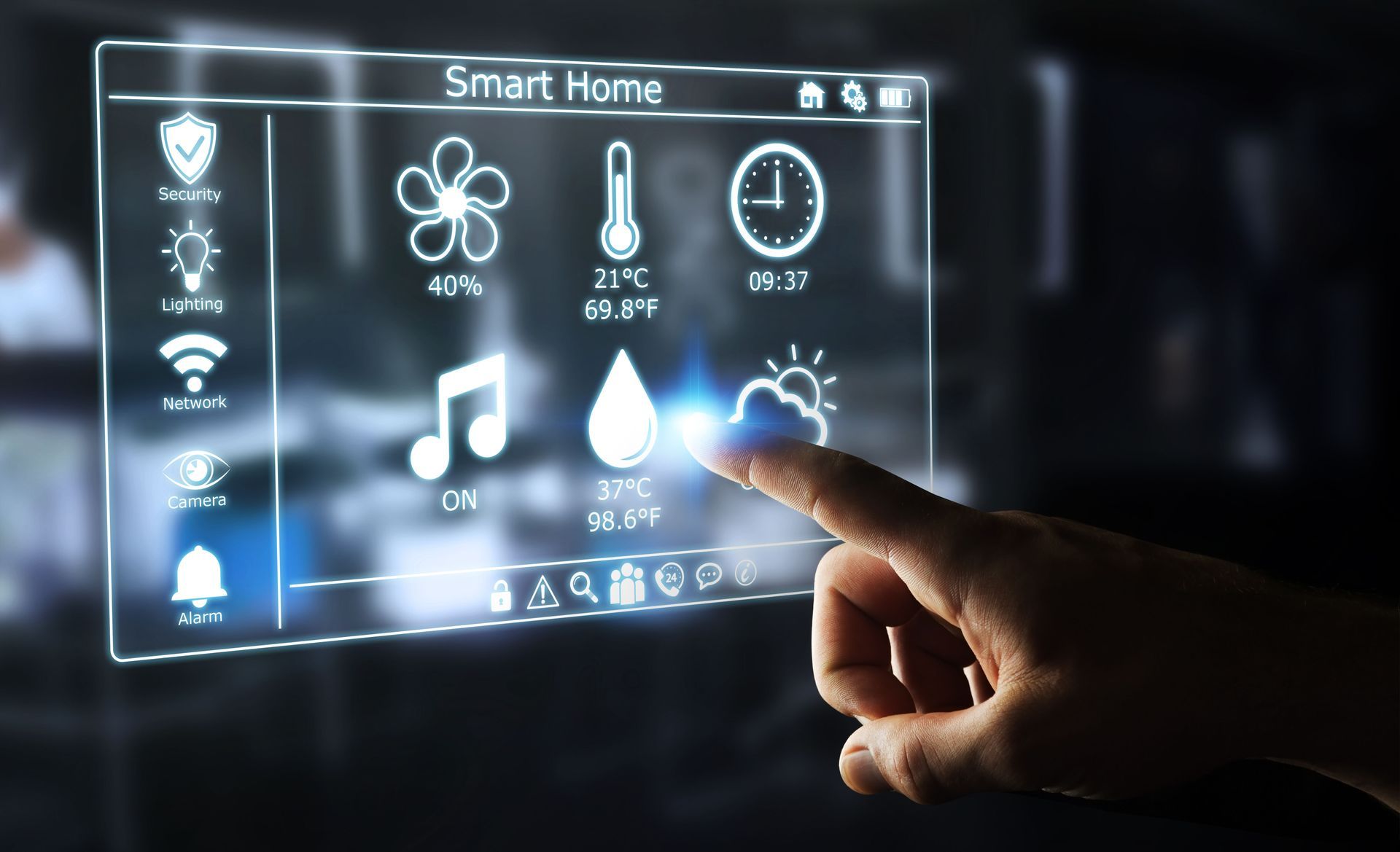
Remote monitoring capabilities allow property managers and service technicians to oversee climate systems from virtually anywhere. Secure mobile applications provide real-time status updates around the clock.
Remote adjustments eliminate unnecessary service dispatches for basic configuration changes. Technicians reconfigure system settings or troubleshoot minor control issues without physically visiting the property.
Proactive HVAC companies monitor equipment performance remotely to prevent unexpected shutdowns. Immediate notifications inform service teams about irregular temperature changes before occupants notice any discomfort.
Centralized management platforms streamline multi-building oversight for commercial enterprises. Facility directors view climate status across vast portfolios through a unified, intuitive dashboard, simplifying operational workflows.
Instant operational visibility ensures that system performance aligns with targeted sustainability goals. Energy waste is identified and rectified immediately across all connected properties.
Remote capabilities provide unmatched peace of mind for building owners. Monitoring tools deliver instant alerts during unexpected weather events, allowing immediate corrective actions before severe conditions impact stability.
Off-site control platforms also allow facility teams to schedule system setbacks effortlessly. Shutting down non-essential equipment during holiday periods lowers energy consumption without compromising security.
Transforming Customer Service With Digital Tools
Digital innovation extends far beyond physical mechanical equipment into client communication. Modern service platforms offer transparent scheduling, live tracking, and digital documentation for all maintenance activities.
Automated reminders inform property owners when scheduled maintenance approaches or air filters require replacement. Interactive portals allow customers to review service histories and warranty details effortlessly.
Progressive HVAC companies use mobile portals to keep clients informed about system health. Clear digital reports translate complex technical diagnostics into easily understood performance summaries.
Instant messaging features connect customers directly with technical support teams. Rapid response capabilities ensure urgent inquiries receive prompt attention, enhancing overall customer satisfaction.
Streamlined digital invoicing and payment options further simplify consumer transactions. Seamless digital communication fosters long-term trust between property owners and service providers.
Digital communication channels facilitate ongoing feedback between clients and service technicians. Swift resolution of customer questions ensures higher satisfaction levels and fosters long-standing partnerships.
Partnering with experienced
HVAC companies ensures maximum efficiency and reliability. Ready to elevate your indoor comfort? Contact Thermo Bros today to upgrade your system!